Cost of Living in Port Huron, MI: How Far Your Home-Buying Dollar Goes on the St. Clair River
Cost of Living in Port Huron, MI: How Far Your Home-Buying Dollar Goes on the St. Clair River
If you are shopping for a home and wondering about the cost of living in Port Huron, the short answer is refreshing: this St. Clair County community lets modest budgets buy far more house than comparable markets across Metro Detroit. Waterfront towns a short drive away routinely price at three or four times the entry points you will find here, and even Oakland County's most accessible corridors carry median price tags more than double Port Huron's. For buyers who want river views, strong community roots, and a commute still within reach of Detroit jobs, Port Huron stacks up as one of the most budget-friendly waterfront markets in Michigan.
As a local agent with Maceri Home Group, I have helped families weigh the real numbers behind this decision every week. Below is a fresh, data-backed look at what it actually costs to live in Port Huron right now — from the latest active listings to property taxes, utilities, groceries, and commuting — so you can compare it honestly against wherever you are moving from.
A Fresh Snapshot of the Port Huron Housing Market
To give you current numbers rather than recycled averages, I pulled the latest live MLS inventory across Port Huron this week. After filtering to active for-sale homes (excluding rentals and vacant land, which would otherwise skew the figures), here is what the market looks like today:
- Active listings: roughly 170 homes currently for sale
- Median list price: $185,000
- Average list price: about $334,000
- Typical days on market: around 46 days
That median of roughly $185,000 is the single most important number for budget-minded buyers. Compare it with Oakland County, where recent market data puts the median sale price near $389,000–$430,000. In plain terms, the cost of living in Port Huron on the housing side runs 60–65% below many Oakland County alternatives — often leaving buyers with a larger yard, more square footage, and an on-the-water zip code for a fraction of the price.
What Your Money Actually Buys in Port Huron Right Now
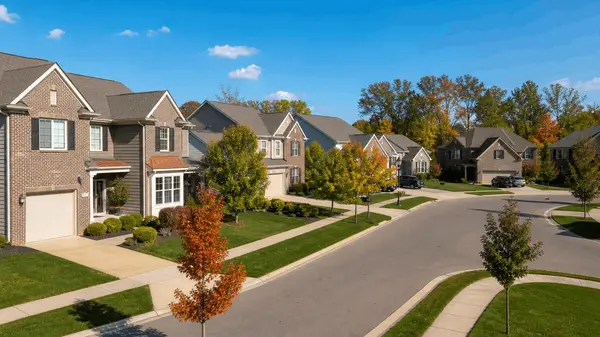
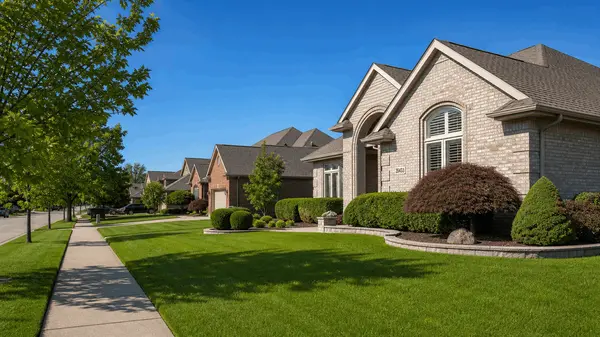
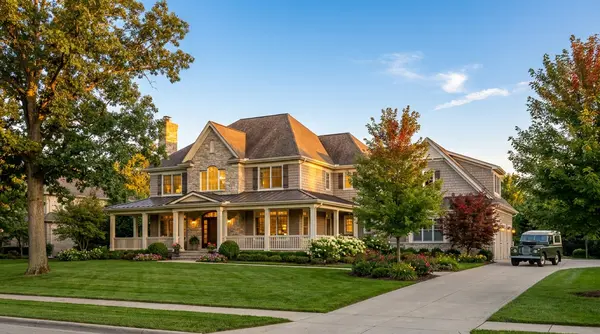
Rather than speak in generalities, here are three real, active listings pulled from the current MLS that show the range of what's available today.
Entry-level value:
- 3809 Electric Avenue — $174,900
- 3 bedrooms, 2 baths, 1,379 sq ft
- A practical single-family home with a comfortable layout, priced well under the market median and a strong candidate for first-time buyers or small families.
Move-up comfort:
- 2595 Evergreen Lane — $349,900
- 3 bedrooms, 2 baths, 2,798 sq ft
- Nearly 2,800 square feet at a price that would be difficult to match in Oakland County, making it a smart option for growing families who want space without a premium commute.
Waterfront lifestyle:
- 1907 Riverside Drive — $449,900
- 5 bedrooms, 3 baths, 2,774 sq ft
- A substantial river-area home with room for a large household, showing that even top-tier Port Huron properties carry price tags that stay well within reach compared with lakefront alternatives elsewhere.
These three listings illustrate the broader truth: whether your budget sits near $175,000 or rises toward $450,000, the cost of living in Port Huron delivers meaningful square footage, and in many cases water proximity, that you would struggle to find at the same price point closer to Detroit.
Property Taxes: A Noticeable Advantage
One of the biggest ongoing expenses for Michigan homeowners is the property tax bill, and Port Huron tends to be more forgiving than higher-priced nearby communities. While the city applies the standard Michigan property tax structure — a mix of state-required mills and local millages — the effective dollar amount you pay is directly tied to the value of the home you buy. Because Port Huron's median list price sits near $185,000 rather than the $400,000-plus common in Oakland County, the annual tax bill on a comparable house is usually far lower in real dollars.
Michigan is a non-recourse state, which is good news for borrowers, and homeowners benefit from the Headlee Amendment and Proposal A caps that limit how fast taxable value can rise. For a buyer comparing "what it costs to live here every year," the lower home value combined with Michigan's taxable-value protections can mean a noticeably lighter property tax load than you might expect from the sticker price elsewhere.
Groceries, Utilities, and Everyday Expenses
Beyond housing and taxes, everyday costs in Port Huron track close to the Michigan state averages and generally run lower than the priciest metro communities. Utility costs — electricity, natural gas, water, and internet — are in line with the broader Blue Water Area, and many neighborhoods enjoy the simple benefit of commuting modest distances for errands, which keeps fuel spend reasonable.
Groceries and dining benefit from a full range of local and regional retailers serving St. Clair County. For families moving from Oakland or Wayne counties, the day-to-day difference is rarely dramatic, but the combined effect of lower housing, lower taxes, and consistent utility costs means your total monthly burn in Port Huron can be meaningfully lower than in more expensive corners of Metro Detroit.
Commuting: Balancing the Price with the Drive
The trade-off buyers weigh most carefully is location. Port Huron sits roughly 55–70 miles northeast of downtown Detroit and about 60 miles from the Rochester and Troy employment corridors, depending on your exact route. That is a genuine commute — generally over an hour with traffic in either direction along I-94/I-69.
However, not every Port Huron household makes that drive daily. The city hosts major employers in healthcare, manufacturing, and the Blue Water Bridge–related logistics economy, and remote and hybrid work has made the longer commute a few-days-per-week proposition for many. When you stack the fuel cost of a couple of trips against saving six figures (or more) on the purchase price, the math often favors Port Huron for buyers who are not tied to a five-day office schedule. If you are considering it, I am happy to walk through realistic commute scenarios based on where you work.
Schools, Amenities, and Community Life
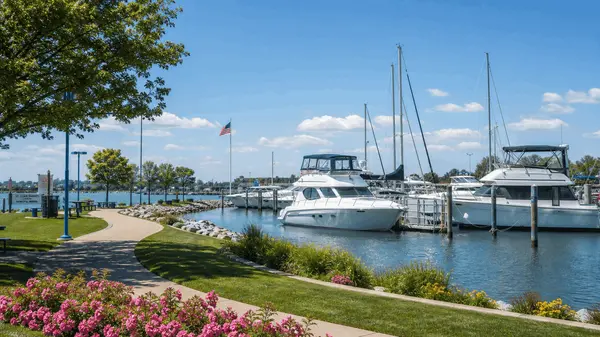
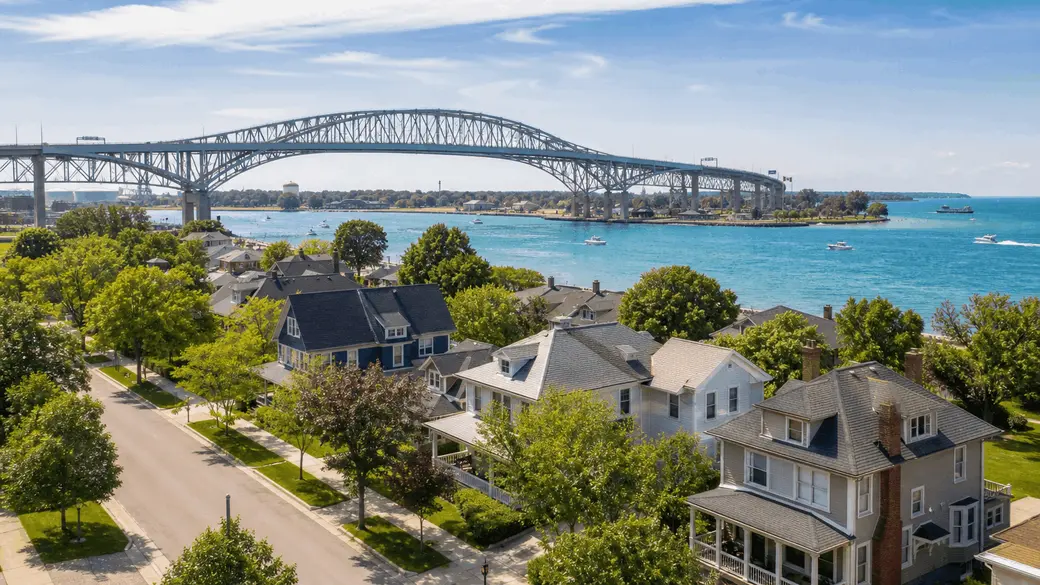
The cost of living in Port Huron looks even stronger when you factor in what the community provides: access to the St. Clair River and Lake Huron, the iconic Blue Water Bridge, parks and trails, a walkable downtown, and a roster of local schools serving the city and surrounding St. Clair County districts. Family-oriented buyers get a sense of space and community that is harder to find in denser, pricier markets, while nature lovers get boating, fishing, and waterfront recreation in their backyard.
The city has invested in its downtown and waterfront corridors, and residents enjoy a quieter pace of life with Detroit's amenities reachable for day trips. For buyers priced out of Oakland County's premium markets, Port Huron offers a compelling blend of affordability, amenities, and river-town character.
How Port Huron Compares With Your Options
When you lay the numbers side by side, the case is clear:
- Port Huron median list price: ~$185,000
- Oakland County median: ~$389,000–$430,000
- Property taxes: lower dollar-for-dollar on a typical purchase
- Commute: longer, but manageable for hybrid/remote schedules
- Lifestyle: waterfront access and space that premium markets can't match for the price
If affordability, on-the-water living, and strong community are your priorities, Port Huron deserves a serious look. The numbers are as compelling on paper as they are in person once you tour the neighborhoods.
Frequently Asked Questions
Is Port Huron, MI, a cheap place to live?
Yes, relative to Metro Detroit as a whole. With a median list price around $185,000 and everyday costs near the Michigan average, Port Huron is one of the more affordable waterfront communities in the state, particularly when compared with Oakland County.
How much do you need to make to live comfortably in Port Huron?
Because housing is the largest expense and Port Huron's median price is well under $200,000, a household can live comfortably on a moderate income. Many lenders target roughly three times annual income for a mortgage, so a home near the median fits comfortably within a modest annual income, with lower taxes and typical utility costs.
Is Port Huron more affordable than Detroit?
Port Huron and Detroit offer different trade-offs. Port Huron generally means lower median home prices per square foot than trendy Detroit neighborhoods and more space and waterfront access, while Detroit offers the urban density and its own affordability pockets. For buyers seeking space and river views, Port Huron is frequently the better value.
What is the commute like from Port Huron to Detroit?
It is roughly 55–70 miles and typically an hour or more each way on I-94/I-69. Many residents commute a few days per week for hybrid roles, and a large local employment base reduces the need for daily travel. Lower housing costs often offset the fuel and wear expenses.
Ready to Make Port Huron Your Home?
The cost of living in Port Huron is the kind of story best understood in person — on the streets, along the river, and inside the homes that fit your budget. Whether you're relocating from Oakland County, moving to Michigan for the first time, or simply wondering how far your money goes on the St. Clair River, I can help you turn these numbers into a shortlist of homes worth touring.
As your local Maceri Home Group agent, I know Port Huron and the surrounding St. Clair County communities inside and out. Send me your must-haves and your budget, and I'll put together a personalized list of active listings that genuinely match what you're looking for — including the very latest inventory not always visible on national portals.
Call or text Ryan Maceri at (586) 519-6259, or email mhgrealtors@gmail.com to get started. Let's find the home that makes Port Huron's affordability work for you.
Categories
Recent Posts